What Emergency Water Mitigation Means
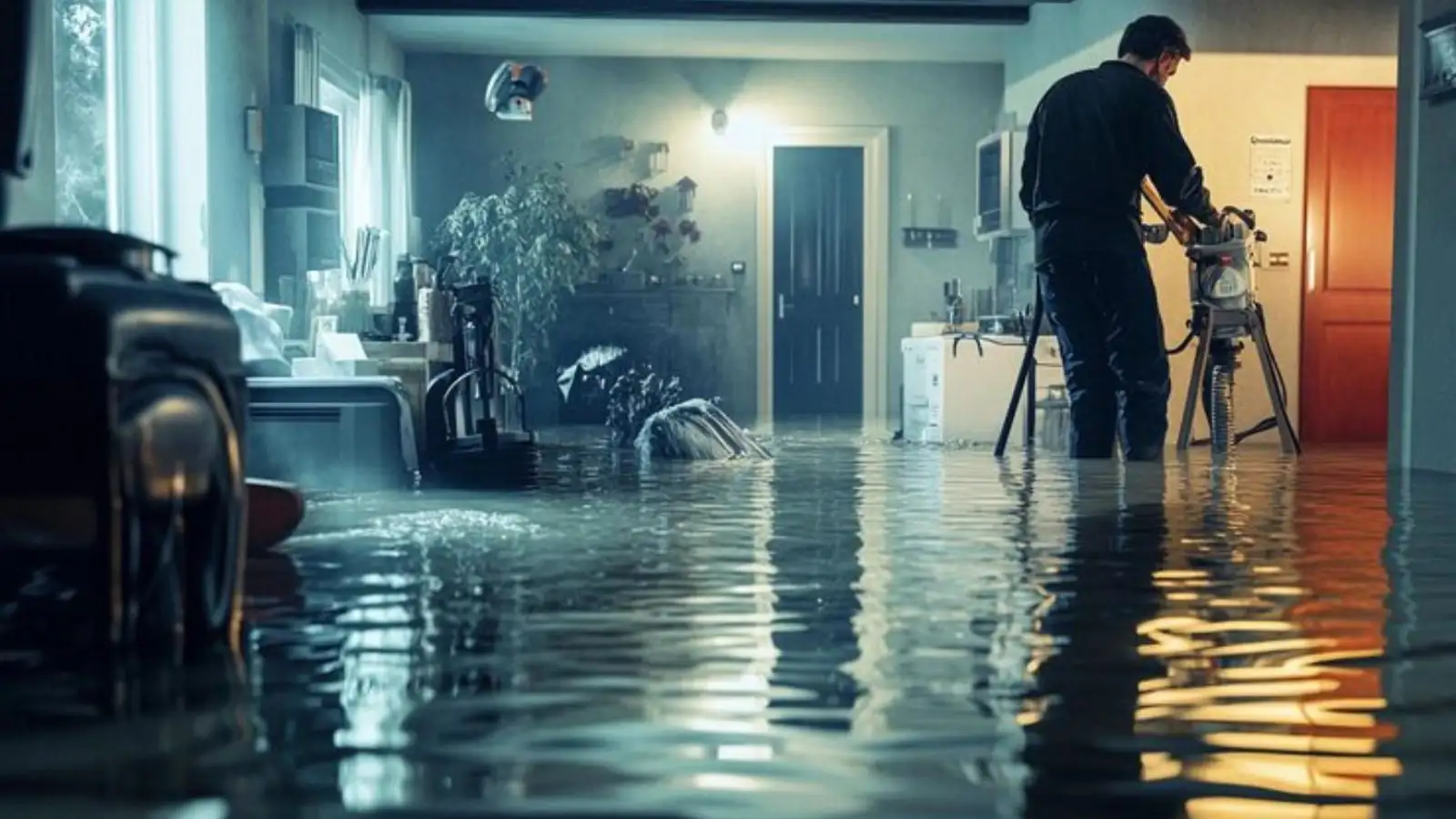
Emergency water mitigation is the work of stopping a water loss from spreading, and it starts in the first hours after a pipe, hose or heater fails. If water is on your floor right now, the 24/7 dispatch line is open. While you wait, stop the source, shut off the main water valve, and turn off power to wet areas only if the panel is dry and safe to reach.
Lift rugs, electronics, books and boxes off wet floors, and keep kids and pets out of the wet zone. Mitigation is not the rebuild. It is the step that decides how much of the rebuild you will need.
My Wall Is Wet and I Don't Know Who to Call
Maybe paint is bubbling, the carpet squishes near the baseboard, or a floor feels damp after a leak you already fixed. You may not know whether this is a plumber's job, a handyman's job or something bigger. When the problem is water that has already gone into the building, the trade that handles it is water mitigation.
When a Water Leak Becomes an Emergency
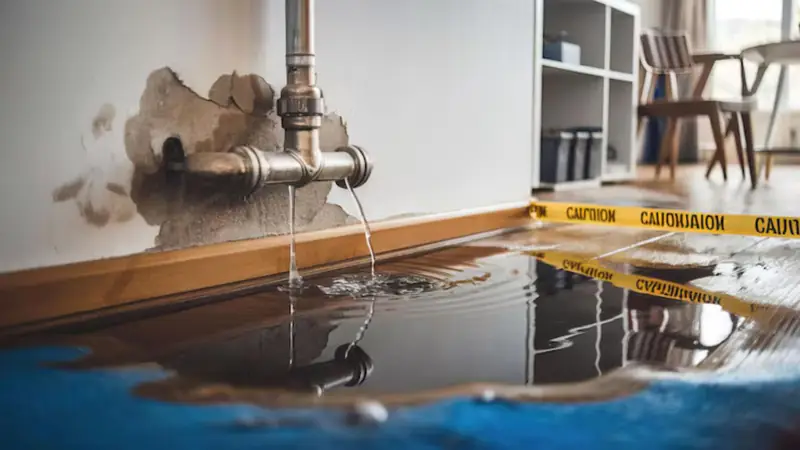
A leak is an emergency when water is still running, when it has soaked drywall or flooring, or when you cannot find the shut-off. Failed supply lines, water heater leaks and washer hose bursts all belong in that group. Pipes do not break on business schedules, so after-hours calls are a normal part of mitigation work.
We offer same-day response when available, and the dispatcher will ask a few plain questions first. Where is the water coming from, has it been shut off, and which rooms are wet? Those answers decide what equipment goes on the truck.
Describe the damage to a live dispatcher and get a clear next step.
☎ Call (562) 271-5850Why Water Spreads Through Pico Rivera Homes
Pico Rivera sits between the Rio Hondo on the west and the San Gabriel River on the east, and storm drains carry street runoff to both channels. Most indoor losses here still begin inside the house, not at the river. Work out which kind of water you have, whether clean supply water, a drain overflow or runoff, because that sets how the crew handles it.
Repairs after a loss may need a permit. Electrical or plumbing work almost always does, and interior demolition likely does too. Before anyone opens walls beyond what drying needs, ask the city Building Division, since permit rules vary.
Signs the Damage Is Still Spreading
Water you cannot see is the part that keeps costing money. Walk the house with a flashlight and look for these signs.
- Baseboards that lift or swell away from the wall
- Paint or wallpaper that bubbles, stains or peels
- Hardwood or laminate that cups at the edges
- A ceiling that sags or shows a brown ring that grows
- A musty smell in a room where nothing looks wet
- Carpet that stays cool and damp even after the surface dries
What Happens During a Mitigation Visit
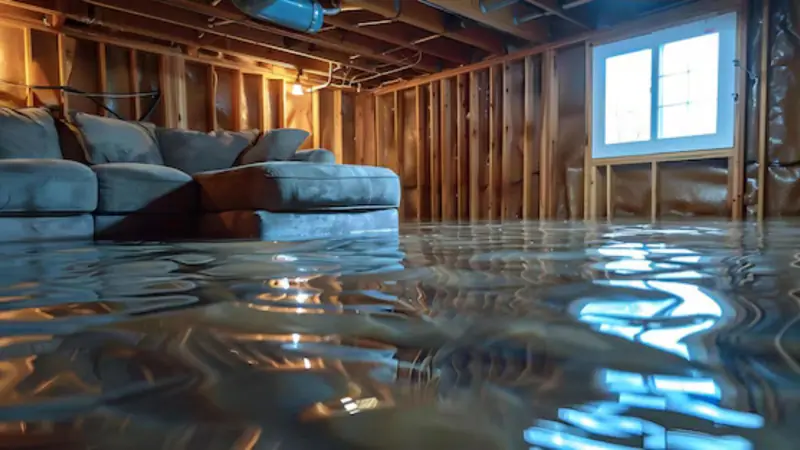
The first job is to confirm the source is off. After that, the crew works in a set order so no step is wasted.
- Shut-off and safety check, including wet outlets and ceiling fixtures
- Extraction of standing water and water held in carpet and pad
- Moisture mapping with meters and thermal imaging cameras to find wet areas behind surfaces
- Removal of materials that cannot be dried, such as soaked insulation or swollen drywall
- Setup of air movers and dehumidifiers, then a written record of starting readings
The moisture map is what separates mitigation from mopping. A wall can feel dry to the hand and still read wet at the base plate, and the map tells the crew where to point the equipment.
Structural Drying
Structural drying starts once the standing water is gone but the building is still wet. Wood framing, subfloor, drywall and insulation hold water long after the surface looks fine. Air movers push moving air across wet surfaces so moisture leaves the material and enters the room air.
LGR dehumidifiers, short for low grain refrigerant units, then pull that moisture out of the air so it does not settle into another room. Crews place air movers along walls and under cabinet toe kicks. They may lift baseboards or drill small holes to push air into wall cavities.
Moisture meters read the water content of wood, drywall and concrete, and thermal imaging cameras show cool, wet patches behind finished surfaces. Readings are logged at each visit and compared with a dry reference reading from an unaffected part of the home. Equipment stays until the wet materials match that reference, not until a set number of days has passed.
Doors and windows stay closed while the dehumidifiers run, so they work on the room and not the outdoors. Ask any company whether its crews follow the ANSI/IICRC S500 standard for water damage restoration, because that standard describes how drying is measured.
Decision Framework: Water Category and First Moves
The category of water decides what can be dried and what has to go. This table shows the usual pattern.
| Water category | Typical source | What mitigation usually does |
|---|---|---|
| Category 1 | Broken supply line, failed hose, water heater leak | Extracts water, dries carpet and structure in place, removes only what stays wet |
| Category 2 | Dishwasher or washer overflow, aged clean water | Extracts, cleans and treats surfaces, often removes carpet pad and wet drywall base |
| Category 3 | Sewage, storm or river water | Removes porous materials, cleans and disinfects, dries with containment in place |
Clean water that sits too long can change category. That is one reason the first hours matter more than the size of the leak.
Water Mitigation and Your Insurance
Sudden and accidental water damage is often covered by a homeowners policy, while gradual leaks and neglect often are not. Flood is usually excluded and needs separate flood coverage. Photograph the damage before anything moves, keep every receipt, and make temporary repairs that stop further damage. Ask your insurer before permanent repairs begin.
What Drives the Cost of Water Mitigation
No honest number exists until someone has seen the loss. These are the factors that move it.
- Water category, since sewage and storm water need more containment and disposal
- The size of the affected area and how many rooms the water reached
- Materials involved, such as hardwood, carpet, plaster or concrete
- Drying days and the amount of equipment running
- How much has to be removed before the rebuild can start
Scope and price are explained before work starts, and the moisture readings back up why each piece of equipment is there.
What to do before the crew arrives
These steps limit the damage while you wait, and each one is safe to do without tools.
- Shut off the main water valve if you can reach it.
- Turn off power to wet areas only if the panel is dry and safe to reach. If water touches outlets, or you smell gas, leave and call 911 or the utility first.
- Lift rugs, electronics and boxes off wet floors.
- Open interior doors so air can move, and leave wall and ceiling cavities alone.
- Take photos before anything is moved.
- Keep people and pets out of any water that may be contaminated.
Serving Pico Rivera and Nearby Towns
Our licensed and insured crews dispatch around the clock and work across Pico Rivera and surrounding cities. If your loss is just across the border, see our pages for water damage restoration in Whittier and Downey. Once the structure is dry, water damage repair puts the walls and floors back, and the emergency water removal page covers deep standing water. For a sewage or storm loss, read about flood damage restoration.
Frequently asked questions
Yes. The dispatch line runs 24/7, and night, weekend and holiday calls are answered the same way as daytime ones. We offer same-day response when available, but we do not promise an arrival time. Stop the water at the main valve, keep people clear of wet areas, and tell the dispatcher what you see.
Probably, if the dampness is spreading, smells musty or came back after you fixed a pipe. A moisture meter and thermal imaging camera can find water behind drywall that your hand cannot feel. A plumber fixes the pipe, and mitigation dries what the water already reached.
Mitigation stops the loss and dries the structure. Repair rebuilds what had to be removed, such as drywall, paint, flooring and trim. Mitigation comes first, because new materials installed over wet framing can fail.
Air movers blow air across wet surfaces so water leaves the material. Dehumidifiers pull that moisture out of the room air and drain it away. They work as a pair, and neither one dries a building well alone.
It depends on the materials and the water category. Dense hardwood and concrete release water slowly, while carpet and drywall dry faster or get removed. The crew tracks moisture readings and removes equipment when the wet materials reach the dry reference, so the readings set the end date.
Household units can help with a small damp spot, but they cannot reach wall cavities or subfloors the way placed air movers and LGR units do. Without meter readings you also cannot tell when the structure is truly dry. A missed wet spot is where odors and mold start.
It depends on your policy and the cause. Sudden and accidental damage is often covered, and gradual leaks often are not. Document everything and ask your insurer, and ask them to point to the specific policy provision if they cite an exclusion.
Water on the floor right now? The dispatch line is open 24/7.
☎ Call (562) 271-5850