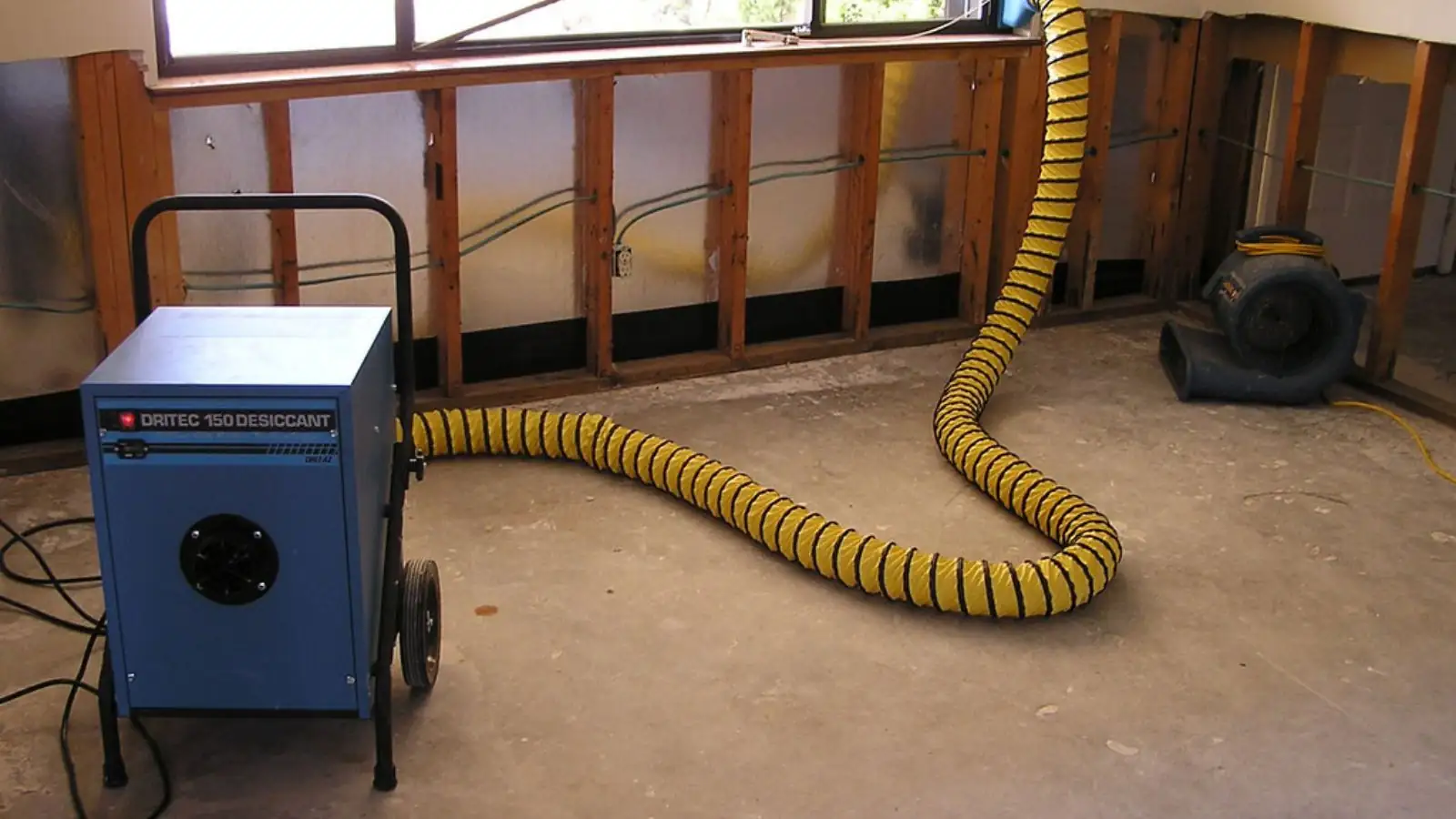
Water Damage Repair Begins After the Drying Is Finished
Water damage repair is the rebuilding stage that follows drying. It replaces drywall, insulation, flooring, trim, paint and cabinetry that could not be saved, so the room works and looks the way it did before the leak. Our licensed and insured crews handle that rebuild for homeowners in Pico Rivera, California, and keep it separate from the earlier cleanup and drying so each stage is done in order.
If water is still coming in or walls are still wet, start with water mitigation first. Repairs on damp framing fail.
Why Repairs Wait for a Dry Reading
New drywall and flooring trap moisture. If a wall cavity still reads wet when it is closed up, the paint can bubble, seams can crack and the framing can keep holding water. That is why a repair starts with a moisture meter reading and not a calendar date.
Pico Rivera sits between the Rio Hondo and the San Gabriel River, and the city plan lists a few spots with localized flooding and weak drainage. If your damage came from storm runoff and not a pipe, check the FEMA Flood Map Service Center for your address before you plan the rebuild, because flood damage is usually excluded from a standard homeowners policy.
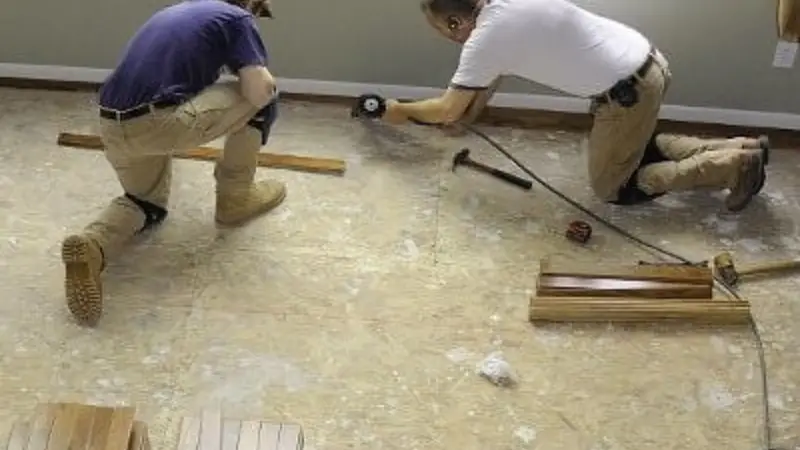
Signs the Damage Needs Repair and Not Just Cleaning
Some damage looks minor and still needs real work. Look for stains that come back after painting, paint that bubbles or peels, baseboards that have swollen, and drywall that feels soft or crumbles when pressed. A floor that has changed shape is another sign.
Brown rings on a ceiling mean water passed through it and likely wet the insulation above. A ceiling that sags or bulges is holding water and should be treated as a safety problem. Keep people out from under it and do not poke it from below.
Describe the damage to a live dispatcher and get a clear next step.
☎ Call (562) 271-5850Ceiling and Wall Water Damage Repair
Ceiling and wall damage is the most common repair we are asked about. A stain is only the surface sign. Behind it, drywall may be soft, insulation may be matted and framing may need to be checked for dryness before anything closes up.
A sagging ceiling is cut open and the wet drywall removed, usually in squared sections that are easy to patch. A collapsed ceiling after a roof leak or an upstairs leak is the same repair at a larger scale. The debris is cleared, the insulation above is replaced if it was soaked, and the framing is dried and checked.
New drywall is hung, taped and sanded, then primed so the stain cannot bleed through. Texture is matched as closely as possible to the old surface, which is the step people notice most. Last comes paint, and in many rooms the whole wall or ceiling is repainted so the patch does not show in the light.
If the source was a roof or a plumbing line, the source has to be fixed first. A new ceiling under an active leak will stain again.
Hardwood Floor Cupping and Drying
Cupping happens when wood absorbs water from below and the board edges rise higher than the center. It is a sign the floor took on moisture, not always a sign the floor is ruined. Boards often relax as they dry, so we measure moisture first and wait before sanding.
Drying a wood floor can involve special drying mats and low-heat airflow, which takes patience. Sanding too early can leave boards that flatten, then shrink and gap later.
Honestly, some boards do need replacement. If the wood has buckled off the subfloor, split, turned black or stayed cupped after it reads dry, those boards are cut out and new ones are woven in. Finish and stain are then matched to the surrounding floor as well as the product allows.
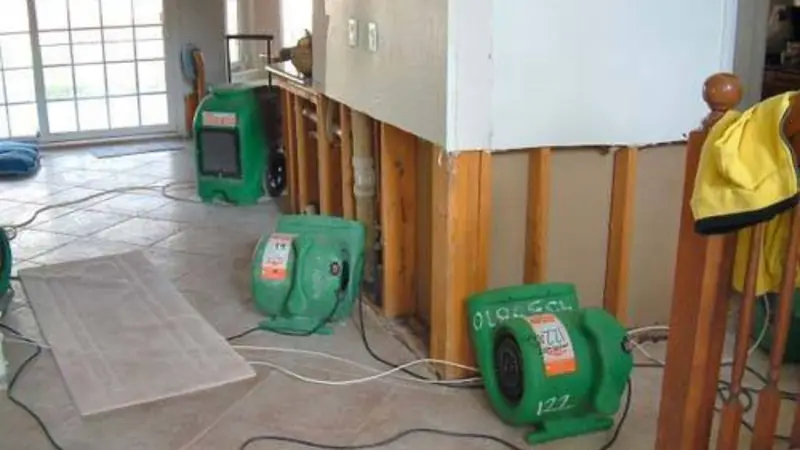
What Gets Rebuilt, Room by Room
Rebuilding follows the same order in most houses. Structure and insulation go first, then surfaces, then finish work.
Drywall and insulation
Wet panels are replaced and insulation is swapped where it held water. Seams are taped, sanded and primed.
Flooring
Carpet gets new pad and often new carpet. Laminate and vinyl planks that swelled are replaced, and tile is checked for loose pieces.
Paint and texture
Stain-blocking primer goes on first. Texture is matched, and the full wall is usually repainted for an even finish.
Cabinets and trim
Swollen toe kicks and baseboards come off. Cabinet bases that wicked water may be replaced or repaired depending on the material.
Three Common Scenarios and What Repair Looks Like
Real jobs rarely match a checklist, so here are three situations we hear about often. Each one shows how the cause shapes the repair.
- Roof leak into a bedroom ceiling: the roof gets fixed by a roofer first. Then wet insulation is pulled, damaged drywall is cut out, and the ceiling is patched, textured and painted. If the stain goes into a closet wall, that cavity gets opened too.
- Washer supply valve that failed: water spreads under laundry room flooring and into the next room. The fix is replacing the valve, then pulling baseboards, cutting wet drywall at the bottom, and replacing vinyl or laminate where it swelled. Hoses and valves are worth replacing at the same time.
- Slow drip under a kitchen sink: the cabinet floor swells first, then the toe kick, then the flooring beside it. The repair is a new supply line or trap, a new cabinet base or panel, and a flooring patch if the water traveled.
Repair Options and Honest Trade-offs
Not every damaged surface needs full replacement, and not every patch is a good idea. The table shows how we usually weigh the choice.
| Situation | Lighter fix | Full replacement | How to decide |
|---|---|---|---|
| Small ceiling stain, dry reading | Stain-block primer and repaint | Cut out and replace the section | Soft or crumbling drywall means replace |
| Cupped hardwood | Dry, wait, then sand and refinish | Replace boards | Boards that stay cupped or buckled after drying go |
| Swollen baseboard | Replace trim only | Replace trim and drywall behind it | Open the wall and look |
| Water-stained cabinet base | Seal and reinforce solid wood | Replace the cabinet box | Particleboard that swelled rarely recovers |
| Stain returns after paint | Repeat primer coat | Open and dry the cavity | A returning stain suggests moisture is still there |
A lighter fix costs less now, but it can cost more later if it hides moisture. We say which option we think is sound and why, and the choice stays with you.
Permits for Water Damage Repairs in Pico Rivera
The city Building Division handles permits. Electrical or plumbing work almost always needs one. Interior demolition and structural changes, such as taking out walls or changing a roofline, likely need one as well, while non-structural cosmetic changes such as paint usually do not.
Permit rules vary, so ask the Building Division about your specific repair before work starts. Express residential plumbing permits require an active California contractor license and a City business license, so confirm that anyone you hire can pull one.
Insurance and Rebuilding
Sudden and accidental water damage is often covered, and gradual leaks and neglect often are not. Check your policy and ask your insurer what applies to your loss. Take photos and keep records of all cleanup and repair costs, and keep a claim diary of every conversation with your insurer.
Make temporary repairs that prevent more damage, but hold off on permanent repairs until the adjuster has seen the damage. If cleanup is still needed first, our water damage cleanup crews handle that stage.
What Drives the Cost of Repair
A repair price depends on what the water touched and how it was handled. These are the main factors:
- Water category: contaminated water means more material has to be replaced.
- Affected area: a single wall costs a fraction of a whole level.
- Materials involved: hardwood, custom cabinets and textured ceilings take more labor than basic finishes.
- Drying days and equipment: a longer dry-out can change what is left to rebuild.
- Rebuild scope: repairing to match the old look differs from upgrading finishes while walls are open.
An assessment for repair means a walk through the room with a moisture meter, photos of damaged areas and a written list of what gets replaced. The real number comes after someone sees the loss. Scope and price are explained before work starts, so the rebuild list is agreed first.
Rebuilding in Pico Rivera and Nearby
We serve Pico Rivera and nearby towns, including Montebello and Santa Fe Springs. If you are not sure whether your home is ready to rebuild, ask for a moisture check first.
Frequently asked questions
As soon as moisture readings in framing, subfloor and drywall are back to a dry target. That can be days after drying finishes. Starting before the readings are right risks new paint bubbling and new boards cupping, so the meter decides the date.
Only if the drywall is dry, firm and the leak is fixed. Even then, stain-blocking primer is needed or the brown ring will show through. If the ceiling is soft, sagging or the stain keeps returning, the section should be cut out and replaced.
Debris is cleared, wet insulation is removed, and the framing above is checked for dryness. Then new drywall is hung, taped, textured and painted. The roof or plumbing leak that caused it has to be fixed first, or the new ceiling can fail the same way.
Often it will, as the boards dry out slowly. We measure moisture and wait before sanding. If boards stay cupped, buckle, split or darken after drying, those boards are replaced and the finish is matched to the rest of the floor.
After the valve is replaced, expect baseboards removed, wet drywall cut at the bottom and flooring that swelled replaced. Water can travel into the next room, so the assessment checks beyond the laundry area. Replacing both supply hoses at the same time is a sensible precaution.
It depends on the work. Electrical or plumbing work almost always needs a permit, and interior demolition or structural changes likely do. Cosmetic changes usually do not. Permit rules vary, so ask the city Building Division before work starts.
Sudden and accidental water damage is often covered, while gradual leaks and neglect often are not, and flood usually needs separate flood coverage. Check your policy and ask your insurer. Do not make permanent repairs until the adjuster has seen the damage.
We aim to match both as closely as possible and usually repaint the full wall or ceiling so the patch blends. Texture is the harder part, and an older surface can look slightly different in strong light. We point out any limits before work starts.
Water on the floor right now? The dispatch line is open 24/7.
☎ Call (562) 271-5850