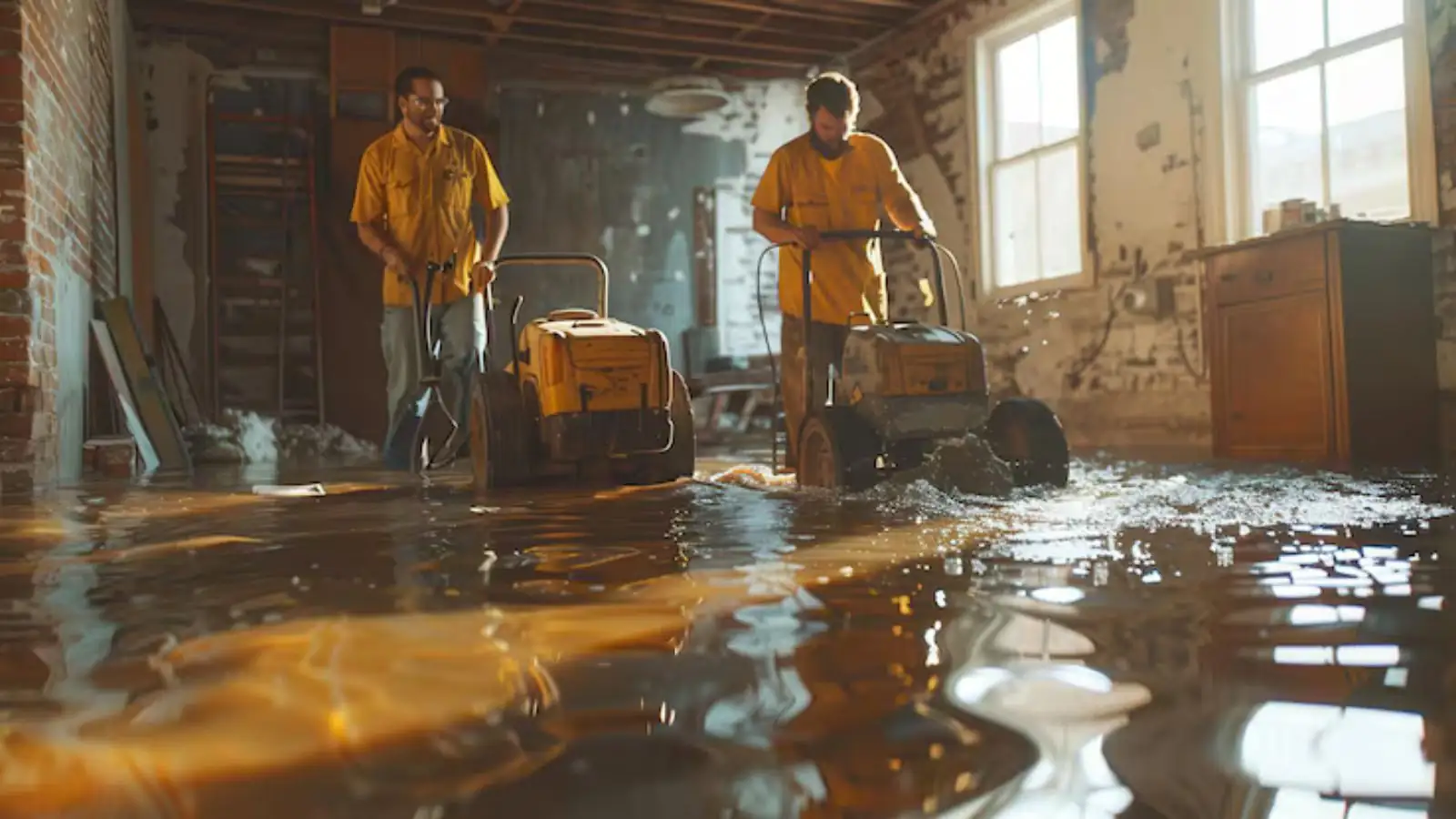
Water Damage Cleanup Starts Once the Source Is Stopped
Water damage cleanup is the work of removing standing water, wet debris and contaminated materials after a leak, flood or backup, then sanitizing and deodorizing what remains. If you are standing in a wet room right now, you are in the right place, and our 24/7 dispatch line is open. Every hour that soaked material sits in a house, more of it can spoil.
While you wait for a crew, shut off the main water valve, turn off power to wet areas only if the panel is dry and safe to reach, and lift small valuables and electronics off the floor. Keep children and pets out of any water that came from a drain or toilet.
When Wet Debris and Dirty Water Become an Emergency
A stopped leak does not mean the emergency is over. Water that came from a sink supply line is fairly clean at first, but it picks up dirt from floors and wall cavities and turns worse as it sits. Water from a toilet overflow, a sewer backup or a flooded yard carries contamination from the start.
Treat it as urgent if carpet is squishy underfoot, drywall is sagging or soft at the bottom, ceiling material is falling, or the room smells sour. Those are signs that wet material is already breaking down. We offer same-day response when available, and we pick up after hours and on weekends because water does not wait for business hours.
If water is near outlets, a panel or a gas appliance, stay out and call the utility or 911 before you call us. Electricity and standing water are a bigger problem than any floor.
What Gets Removed and What Can Be Saved
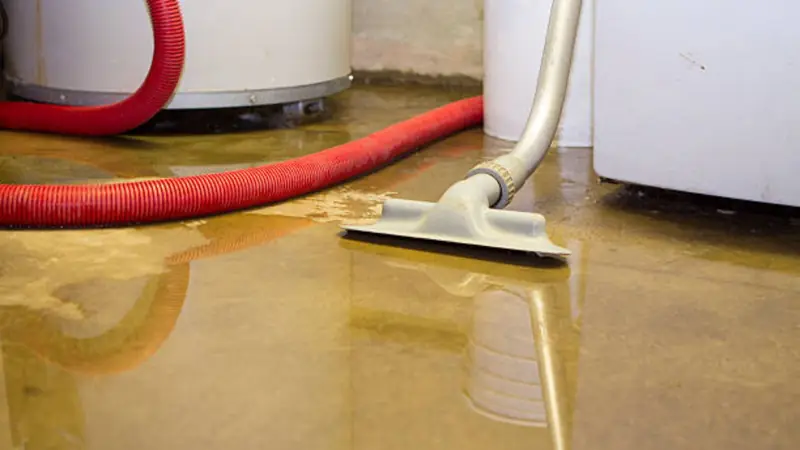
The first rule of cleanup is that porous material holding dirty water usually cannot be cleaned, only replaced. Hard, sealed surfaces and solid framing usually can be saved. A crew sorts everything with moisture meters and a thermal imaging camera, so the decision rests on readings and not on guesses.
Removal is cut in clean lines so rebuilding is simple. Drywall is typically cut a few inches above the visible wet line, and insulation behind it is pulled out so the cavity can air dry.
| Material | Clean water source | Dirty or sewage water | What usually happens |
|---|---|---|---|
| Carpet pad | Often removed | Removed | Pad acts like a sponge, so it is almost always discarded |
| Carpet | Sometimes dried in place | Removed | Lifted and dried or discarded depending on backing and contamination |
| Drywall | Cut out if saturated | Cut out | Dry panels above the wet line may stay |
| Fiberglass insulation | Removed if soaked | Removed | Wet insulation holds water against framing |
| Solid wood framing | Dried in place | Cleaned and treated | Usually saved and dried to a target moisture level |
| Tile and sealed hard floors | Cleaned and dried | Cleaned and sanitized | Often saved, but check what is under them |
Furniture and belongings get the same sorting. Solid wood pieces, metal and glass can usually be cleaned. Upholstery and particleboard that sat in dirty water often cannot.
Describe the damage to a live dispatcher and get a clear next step.
☎ Call (562) 271-5850Antimicrobial Treatment and Deodorizing in Plain Words
After the wet debris is out, surfaces that stay are cleaned and then treated with an antimicrobial product. In plain words, that is a cleaner applied to framing, subfloor and hard surfaces to knock back bacteria that grew while the area was wet. Sewage and flood water get a more thorough pass than a clean supply line leak.
Deodorizing is a separate step. Smells come from wet material that was left in place, so the first fix is removing the source. After that, HEPA air scrubbers pull fine particles out of the air, and odor treatments are applied once surfaces are clean and nearly dry.
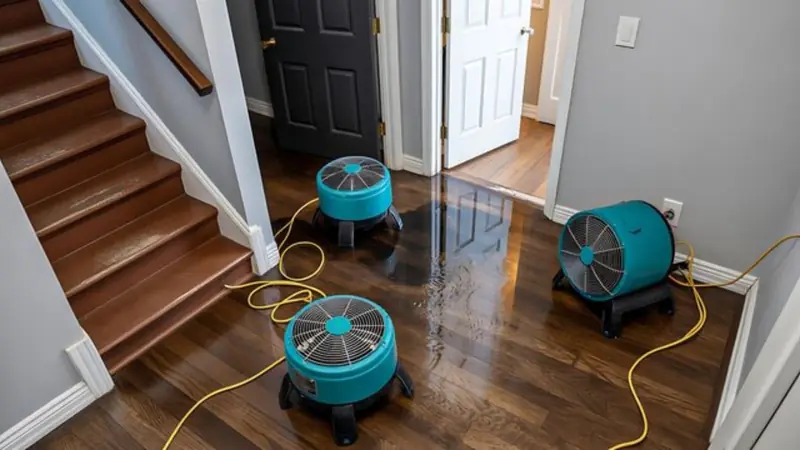
None of this replaces drying. A cleaned wall cavity that stays damp will smell again, which is why cleanup usually runs alongside water mitigation with air movers and LGR dehumidifiers.
How a Cleanup Visit Works
The crew starts by checking the source is off and the area is safe. They then measure moisture in floors and walls, sort material into remove and save, and set up containment barriers when dirty water or dust could spread to clean rooms.
Extraction units pull remaining water from floors. Debris is bagged and carried out, surfaces are cleaned and treated, and the space is left ready for drying. For large losses with standing water, our emergency water removal crews handle the pumping first.
Where Pico Rivera Water Problems Come From
Pico Rivera sits between the Rio Hondo on the west and the San Gabriel River on the east, and storm drains carry runoff to both channels. The city plan notes localized flooding and weak drainage in a few spots, so heavy rain is one real source of yard and garage water. Check the FEMA Flood Map Service Center for your own address so you know whether flood coverage is worth asking about.
Most cleanup calls start inside the house, though. A bill from your water provider tells you whether the City of Pico Rivera Water Division or Pico Water District serves you, which matters if a leak starts at the meter side of the line.
Documentation for an Insurance Claim
Sudden and accidental water damage is often covered, while gradual leaks and neglect often are not. Flood is usually excluded and needs separate flood coverage. Check your policy and ask your insurer what applies. Good records help whatever the answer is.
- Take photos and video of the damage before anything is moved or removed.
- Keep every receipt for cleanup, equipment and temporary repairs.
- Write down each call with your insurer in a claim diary, with date and name.
- Make temporary repairs that stop more damage, but hold off on permanent repairs until the adjuster has seen the loss.
- Keep a list of discarded items, such as pad and drywall, with photos of each.
Cleanup First, Then Repair
Cleanup ends when the space is clean, treated and dry enough to rebuild. At that point the work shifts to water damage repair, where drywall, flooring and paint go back in. Doing the steps in that order keeps new materials from being installed over damp framing.
Permit rules vary, so ask the city Building Division before you start rebuilding. Plumbing and electrical work almost always need one.
What Drives the Cost of Cleanup
Nobody can price cleanup honestly over the phone. A crew has to see the loss, take readings and decide what comes out. These are the factors that set the number:
- Water category: clean supply water, gray water or contaminated sewage and flood water, which need different handling.
- Affected area: how many rooms and how much floor and wall surface were reached.
- Materials involved: pad, carpet, drywall and insulation add removal and disposal work.
- Drying days and equipment: more air movers and dehumidifiers running longer add to the job.
- Rebuild scope: whether you only need cleanup or want the rebuild handled afterward.
An assessment means a walk through the damage with moisture meters and a thermal camera, then a written scope. Until someone sees the loss, any figure is a guess. Scope and price are explained before work starts, once the readings are in.
A standard to ask about for cleanup
ANSI/IICRC S500 is the published standard for professional water damage restoration, and it is the reference for deciding which wet materials are safe to dry and which should be removed. Ask any cleanup company whether its crews work to S500, and ask who decides what gets thrown out and how that decision is documented for your insurer.
Serving Pico Rivera and Nearby Towns
Our licensed and insured crews work out of Pico Rivera and also serve neighbors such as Whittier and Downey. If you are not sure whether your loss needs cleanup, drying or both, describe what you see when you call and the dispatcher will sort it out with you.
Frequently asked questions
Yes. The dispatch line runs 24/7, including nights, weekends and holidays. We offer same-day response when available, and we cannot promise an arrival time before we know your location and the crew schedule. While you wait, stop the water source and keep people out of dirty water.
Cleanup removes wet debris, ruined materials and contamination, then sanitizes and deodorizes. Mitigation is the wider job of stopping further loss, which includes drying the structure with air movers and dehumidifiers. Most losses need both, and they are usually done during the same visit or in back-to-back stages.
Sometimes. If the water was clean and the carpet is caught early, it can often be dried in place with the pad replaced. If the water was dirty or the carpet has sat wet for a while, it is usually removed. A moisture reading and a look at the backing give a straight answer.
Not always. Drywall that was soaked, soft or touched by dirty water is usually cut out. Panels that are only damp above the wet line may dry without removal. A thermal camera and moisture meter show how far the water traveled behind the paint.
It is a cleaner applied to framing, subfloors and hard surfaces after wet material is removed. Its job is to reduce bacteria that grew while the area was wet. It works on cleaned surfaces, so it does not replace removing ruined material or drying the structure.
In most cases, yes, once the wet source material is gone and the structure is dry. Odors that come from soaked pad, drywall or insulation fade after those are removed and the air is scrubbed. A smell that lingers can point to a spot that is still damp.
Take photos and video of the damage before cleanup begins, plus the source of the leak, damaged belongings and any material that gets thrown out. Keep receipts and a log of every conversation with your insurer. Ask your insurer what your policy covers.
Yes. Water from sewers, toilets or flooding is contaminated and calls for protective gear, containment and removal of porous materials it touched. Stay out of it, keep pets and children away, and cut power only if the panel is dry and safe to reach.
Water on the floor right now? The dispatch line is open 24/7.
☎ Call (562) 271-5850