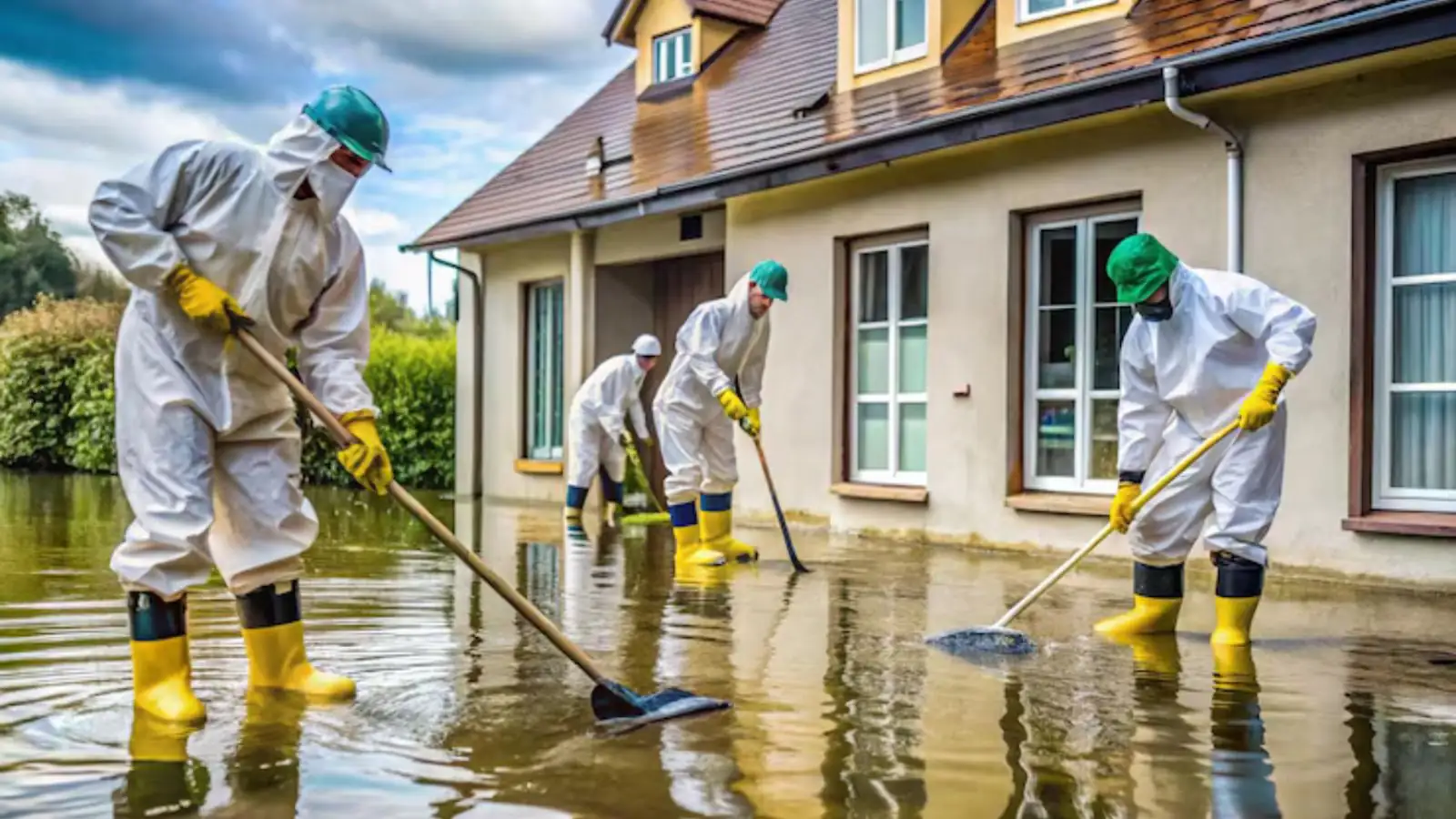
Emergency Flood Damage Restoration Begins With Safety
Emergency flood damage restoration is the removal, cleaning and drying of a home after storm, river, groundwater or sewage water gets inside. If that has happened, the 24/7 dispatch line is open. Stay out of the water, keep children and pets away, and turn off power to wet areas only if the panel is dry and safe to reach.
If you see sparking, smell gas or cannot reach the panel without wading, call the utility or 911 before calling us. Lift only what you can carry without stepping into the water.
When Floodwater Is an Emergency
Floodwater is an emergency from the first minute. It is usually Category 2 or Category 3, which means it may carry bacteria, chemicals and sewage. Porous materials like carpet, pad, insulation and drywall soak it up, and they become harder to save the longer they stay wet.
Flooding does not wait for office hours. Same-day response when available applies to after-hours and weekend storm calls, and dispatch will ask where the water entered, how deep it is and whether it is still rising.
Where Pico Rivera Sits Between Two Rivers
Pico Rivera lies between the Rio Hondo on its west side and the San Gabriel River on its east. The Rio Hondo runs in a lined channel, while the San Gabriel stays natural for several miles below the dam. Storm drains carry runoff from city streets to both. When heavy rain is forecast, clear the gutters and drain covers near your home, and know which way water would run off your lot.
The city's General Plan describes most of Pico Rivera as Flood Risk Zone X, with the rivers themselves in Zone A. A county assessment noted localized flooding and deficient drainage in a few spots, including Washington Street between Rosemead and Paramount, Olympic north of Acacia Avenue, and Terradell Street and Pico Vista Road.
If you live near one of those, keep sandbags or a plan ready, and check the FEMA Flood Map Service Center for your address instead of relying on a general zone label.
Describe the damage to a live dispatcher and get a clear next step.
☎ Call (562) 271-5850The Dam Upstream and What It Means for You
Whittier Narrows Dam was finished in 1957 to capture stormwater for groundwater recharge, and the whole city lies inside its inundation area. The US Army Corps of Engineers has a Dam Safety Modification Project planned, and the city says dates keep changing. Read the Corps project page and the city's dam page for current information.
Practically, this means two things for a household. Know your evacuation route, and keep your insurance papers and photos of your home contents somewhere you can grab them fast.
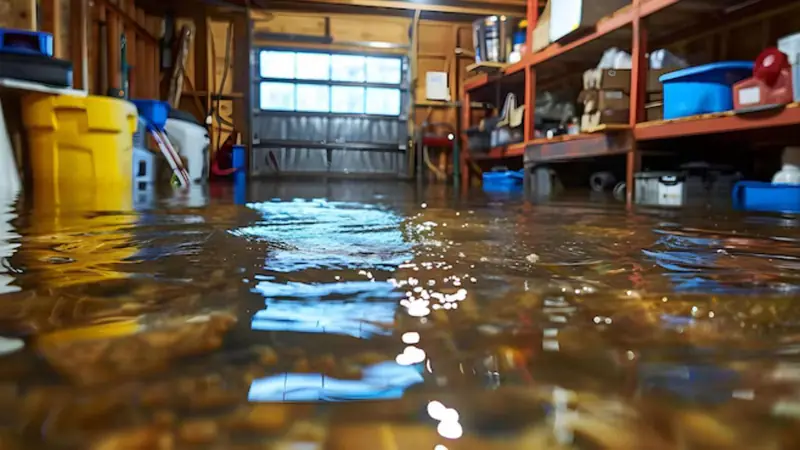
Basement Flooding Cleanup
If your home has a basement, a garage-level room or a crawl space, floodwater and groundwater go there first. Water pools below grade, cannot drain on its own, and soaks anything stored on the floor. We cannot say how common these spaces are in Pico Rivera, so check your own home and know what sits below the main floor.
Do not go down while water is deep or while outlets, a furnace or a water heater stand in it. Pumps remove the water in stages, because emptying a lower space too fast against wet soil outside can stress walls. After the pump-out, crews haul out ruined contents and carpet, clean the surfaces and set air movers and LGR dehumidifiers.
Concrete and block walls dry slowly, so moisture meters guide how long equipment stays. If a sump pump is installed, ask a plumber whether it failed or was simply overwhelmed. Photograph the waterline on the walls before cleanup starts.
Sewage Backup Cleanup
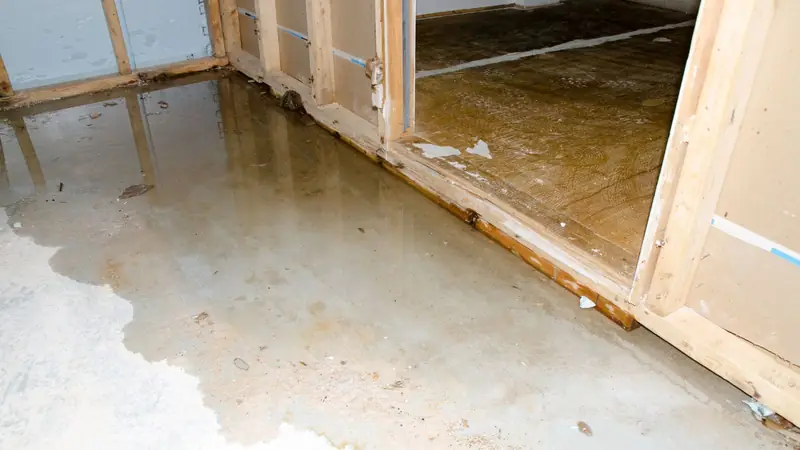
Sewage backup is Category 3 water and an emergency. Raw sewage from a toilet, tub or floor drain carries bacteria and should not be handled by homeowners. Stay out of the affected rooms, keep children and pets away, and do not run water or flush, since that sends more into the house.
Do not try to clean it yourself with a mop and bleach. Porous materials such as carpet, pad, drywall and insulation that touched sewage generally cannot be made safe and are removed and bagged. Crews set containment barriers, use HEPA air scrubbers and clean and disinfect hard surfaces.
If the backup came up from the street-side line, your city or sewer agency may need to look at it, so ask them when you call. A plumber clears the blockage, and permit rules for plumbing work are worth checking with the city Building Division. Health questions after exposure belong with a physician.
Decision Framework: Water Category and What Happens to Materials
| Material | Category 2 water | Category 3 water |
|---|---|---|
| Carpet and pad | Pad usually removed, carpet sometimes cleaned and dried | Both usually removed |
| Drywall and insulation | Often cut out where wet | Cut out above the waterline and replaced |
| Hardwood and laminate | May be dried if caught quickly, often cups or buckles | Often removed |
| Concrete and tile | Cleaned and dried in place | Cleaned and disinfected, then dried |
These are common outcomes, not promises. The moisture readings and the waterline decide what stays.
Flood Damage vs Homeowners Insurance
According to the California Department of Insurance, homeowners policies do not cover flood damage, though they may cover other kinds of water damage. Flood needs its own coverage, so check with your insurer before a storm and not after. Visit insurance.ca.gov if a claim is disputed.
Take pictures, keep records of every cleanup cost and write a claim diary of each conversation. Make temporary repairs that stop more damage, and wait for the adjuster before permanent ones.
What Drives the Cost of Flood Restoration
Flood jobs vary more than most, and these factors do most of the work.
- Water category, with sewage and river water needing the most protection and disposal
- How far the water spread and how deep it stood
- Porous materials soaked, such as carpet, pad, drywall and insulation
- Drying days, dehumidifiers and air movers running
- Rebuild scope after demolition
The real number comes after someone sees the loss, and scope and price are explained before work starts.
Crews for Pico Rivera and Nearby Towns
Licensed and insured crews dispatch around the clock to Pico Rivera, and we also cover Downey. After the water is out, emergency water removal crews handle pump-out, and water damage repair rebuilds. Wet materials left behind can grow mold, so see mold remediation if you suspect it.
Frequently asked questions
Yes. Dispatch is 24/7, and storm calls at night or on weekends get the same handling. We offer same-day response when available but never promise an arrival time. Stay out of the water, keep power off if the panel is dry and safe, and tell dispatch what you see.
No. Restoration cleans, dries and rebuilds after water gets in. It is not waterproofing. A foundation or drainage contractor handles grading, drainage and sealing, and we suggest asking one before you rebuild.
No. Zone X describes lower mapped risk, not zero risk, and local drainage problems can flood a home outside any river zone. Check the FEMA Flood Map Service Center for your address and ask your insurer about flood coverage.
Homeowners policies do not cover flood damage, according to the California Department of Insurance, but they may cover other kinds of water damage. Flood needs separate coverage. Check your policy and ask your insurer.
We advise against it. Sewage is Category 3 water, and porous materials it touched usually have to be removed. Stay out and call, and call the utility or 911 first if electrical or gas hazards are present.
Category 2 water carries significant contamination, such as washer or dishwasher overflow. Category 3 is grossly contaminated, such as sewage, river or storm flooding. The category decides what can be dried and what must be removed.
Rarely, if the water was Category 3. With Category 2, carpet is sometimes saved and pad usually is not, and drywall is cut out where moisture readings show it is wet. A crew checks with meters before deciding.
Water on the floor right now? The dispatch line is open 24/7.
☎ Call (562) 271-5850