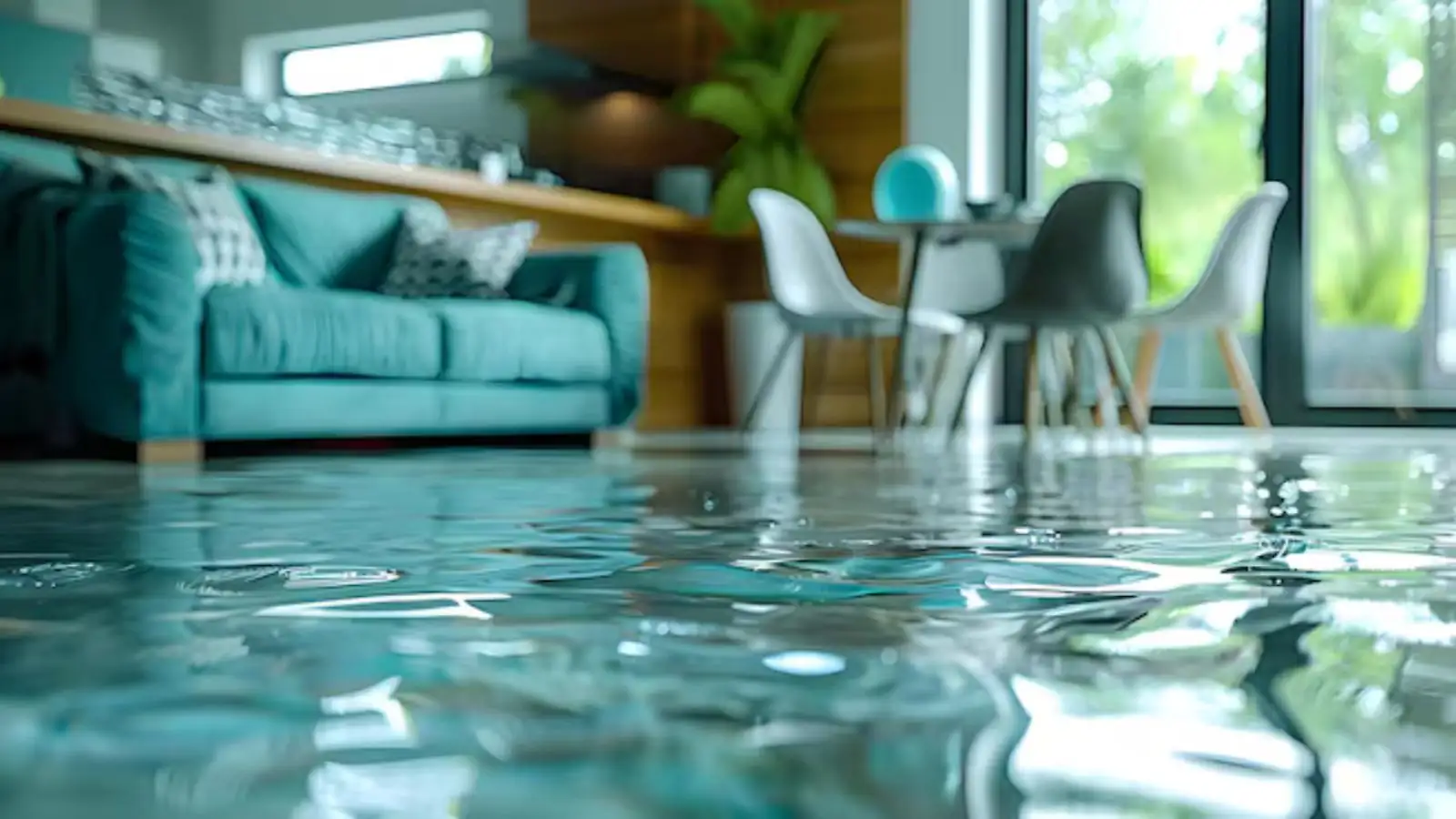
When water comes through a ceiling or floods a bathroom in a rental, the first question is usually whose problem it is. The answer is often split. Your belongings and living costs fall one way, and the building falls another.
This guide is a general overview for tenants in Pico Rivera, CA. It does not explain legal rights or statutes, and your lease and policy wording decide the details. If you are dealing with active water, a water damage cleanup crew can dry the space once your landlord authorizes the work.
What renters policies generally address
A renters policy is built around you and your things, not the walls around them. Policies commonly address personal belongings such as furniture, clothing and electronics, and some include extra living costs if the unit becomes unusable. Each policy has limits, exclusions and a deductible, so the details matter.
Cause still matters. Sudden and accidental water damage, such as a burst pipe, is often covered, while gradual leaks and neglect often are not. Flood is usually excluded, and it needs separate flood coverage if you want it.
What the landlord's policy usually handles
The structure of the building, including walls, ceilings, flooring and built-in fixtures, is generally the owner's responsibility to insure. That is why a landlord often arranges drying and rebuilding of the unit itself. A renters policy typically does not pay to rebuild drywall you do not own.
This is a general pattern, not a rule for your unit. Your lease may describe who calls whom and what you can touch. Read it before you move anything attached to the building.
Describe the damage to a live dispatcher and get a clear next step.
☎ Call (562) 271-5850Who usually handles what
The table below shows a typical split. Treat it as a conversation starter with your landlord and insurer, not a final answer.
| Item | Usually the renter's policy | Usually the landlord's policy |
|---|---|---|
| Furniture, clothing, electronics | Often addressed, subject to limits and exclusions | Generally not |
| Hotel or temporary housing costs | Sometimes addressed if the unit is unusable | Depends on the lease and policy |
| Walls, ceilings, built-in flooring | Generally not | Generally the building owner's responsibility |
| Plumbing, roof and structure | Generally not | Generally the building owner's responsibility |
| Damage you caused to the unit | Depends on policy liability terms | Depends on policy and lease |
If your landlord's insurer and your insurer both get involved, each will want records. Good documentation helps everyone work from the same facts.
Step one: report it to your landlord in writing
Call or text if the water is active, but follow up with an email or letter the same day. State what happened, when you found it, where the water is and that photos are attached. A written report creates a dated record you can point to later.
Keep a copy of everything you send, and note the date and time of every reply. Screenshots of text messages count too. If the landlord says a contractor is on the way, ask when and for what work. You do not have to guess what is happening while your rooms stay wet.
Photos, video and a belongings inventory
Document your side before anything is moved or thrown out, because a neat record is the strongest thing a tenant can bring to a claim. Photograph the water source, waterlines on walls, ceiling stains and every damaged item. Record a slow video walk through each room while narrating what you see.
- List each damaged item with its approximate age and what you paid, if you remember
- Save receipts, serial numbers and old photos that show the item in the unit
- Keep damaged items until your insurer says they can be discarded, when practical
- Write down hotel, laundry, storage and food costs and keep every receipt
- Keep a claim diary of each call, with date, name and summary
Make temporary efforts that prevent further damage to your belongings, such as moving them out of the wet area. Hold off on permanent repairs until the adjuster has seen the damage.
A leak from the unit above
A leak from an upstairs unit is confusing because the source is out of your reach. Do not enter the other unit. Tell your landlord right away so someone can find and stop the source.
Meanwhile, protect what you can. Move belongings away from the drip line, place containers under active leaks and photograph the ceiling and walls daily. Ask the landlord to confirm in writing when the leak is stopped and when drying will begin.
Drying and cleanup in a rental
Wet drywall and flooring in a rental belong to the owner, so the building side of the cleanup is usually arranged or approved by the landlord. If the landlord wants help, an emergency water removal crew can extract standing water and start drying with air movers and LGR dehumidifiers.
Your job is to keep your own belongings safe and to ask for moisture readings and photos. Those records show how far the water spread and when drying finished. They protect you if a musty smell or stained wall shows up later.
If your landlord hires a restoration company, it is fair to ask whether the crew works to ANSI/IICRC S500, the published standard for water damage restoration, and to ask for the moisture readings when drying ends.
Questions worth asking your own insurer
- Does my policy cover this type of water damage, and which section applies?
- What is my deductible, and are there limits on electronics or jewelry?
- Do I have coverage for temporary living costs?
- Do I carry separate flood coverage?
- If an exclusion is cited, which provision in my policy says so?
Professional drying is priced by what the water touched. The category of water, the size of the wet area, the materials and the days of equipment all count. A real number only exists after someone sees the unit, and scope and price are explained before work starts.
Pico Rivera note: why renters in nearby cities should read their policies
Two of Pico Rivera's neighbors have a large share of renters. In 2020, Downey had 36,087 housing units, about half owner-occupied and half renter-occupied. Montebello had 20,308 housing units, and 55.6 percent were renter-occupied.
If you live in one of these neighboring cities or move between them, do not assume your landlord's coverage protects your belongings. Pull out your renters policy today, check the limits and ask your agent what a water claim would require. Our pages for water damage restoration in Downey and Montebello cover local response.
Frequently asked questions
Many renters policies address damage to your belongings from sudden and accidental water events, such as a burst pipe. Gradual leaks and neglect are often excluded, and flood generally needs separate coverage. Read your policy and ask your insurer what applies.
The building structure is generally the owner's responsibility and falls under the landlord's insurance. Your renters policy is built around your belongings and living costs. Your lease may add details, so review it and ask your landlord.
Tell your landlord immediately and follow up in writing. Move belongings away from the leak, photograph the damage and keep dated records. Do not enter the other unit, and ask the landlord to confirm when the source is stopped.
Some policies include additional living costs, subject to limits and conditions. Ask your insurer before booking if you can, and keep every receipt. Whether any cost is paid depends on your policy wording and the claim review.
Usually yes, because the building belongs to the owner, and your lease may say who arranges repairs. Tell the landlord in writing right away. If water is active and unsafe, protect yourself and your belongings first, then report it.
Water on the floor right now? The dispatch line is open 24/7.
☎ Call (562) 271-5850