Floodwater in your home is an emergency, and the first hours decide how much flooring, drywall and furniture can be saved. This guide walks through the order that works, from safety checks to drying. It also explains what a flood damage restoration crew does once it arrives.
Fixing flood damage is not one job. It is a chain of smaller jobs: stop new water, make the space safe, remove what is wet, dry the structure, then rebuild. Skip one link and the problem often returns as warped floors, stained walls or a musty smell.
Make the home safe before you touch anything
Water and electricity do not mix, and a flooded home can hide live circuits. If water is touching outlets, appliances or the panel, stay out of that room. Turn off power at the main breaker only if the panel is dry and you can reach it without stepping in water. If you cannot, call the utility or 911 before you call the restoration line.
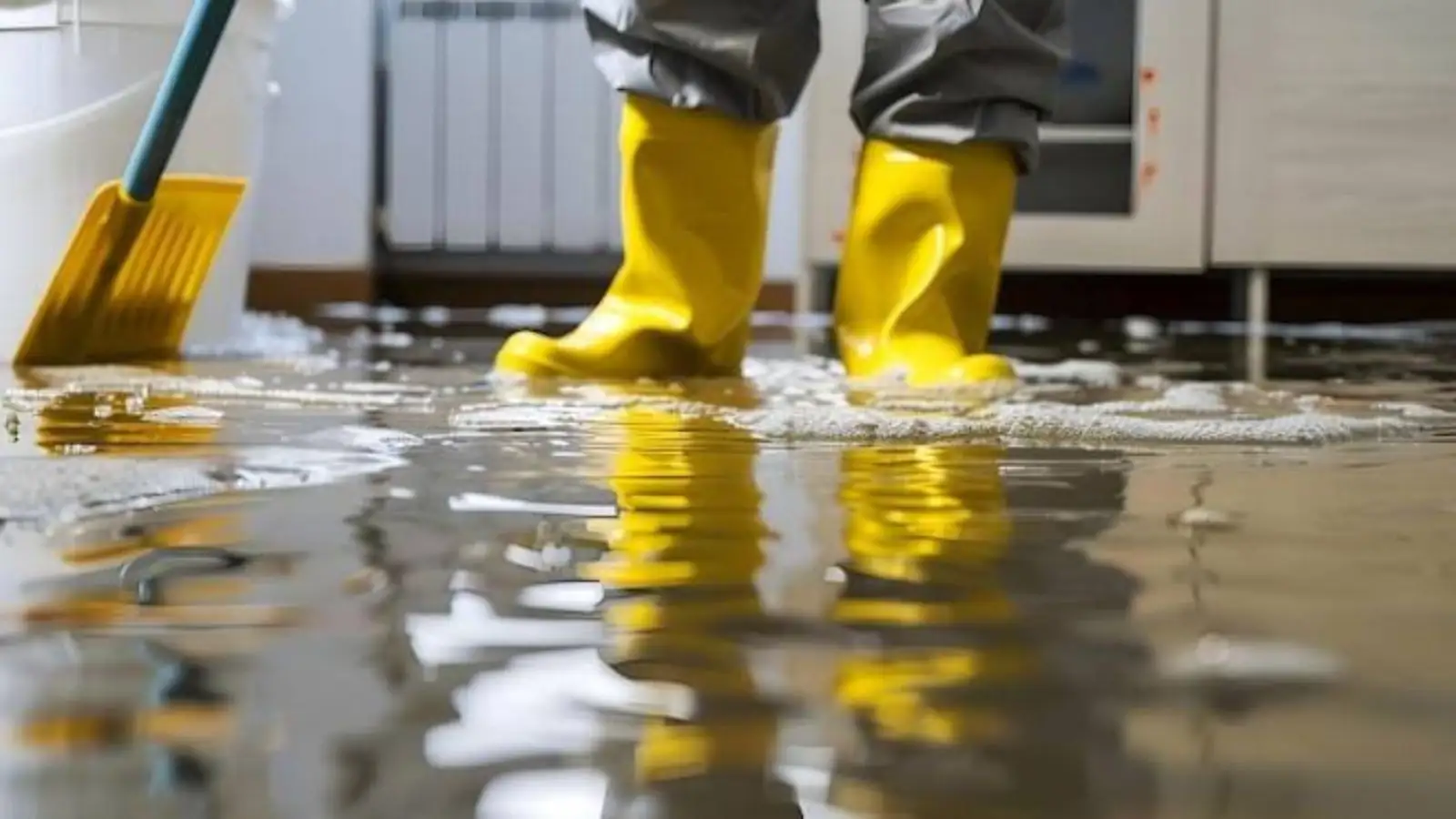
A gas smell, buzzing sounds or sparks are reasons to leave the house and call for help first. Keep children and pets out of standing water. If you must walk through it, wear rubber boots and waterproof gloves, and never run a household vacuum on a wet floor.
Sewage and dirty water: stop and protect yourself
If water came up through a floor drain, toilet or tub, treat it as sewage until someone proves otherwise. That water can carry bacteria and should not touch bare skin. Keep everyone out and close doors to limit how far it spreads.
Raw sewage is not a do-it-yourself job. Crews use extraction units, containment barriers and cleaning products suited to contaminated water, and porous materials the water touched usually have to come out. Health questions after exposure belong to a physician.
Describe the damage to a live dispatcher and get a clear next step.
☎ Call (562) 271-5850Know your water category before you decide what to save
The industry standard ANSI/IICRC S500 sorts water into three categories, and the category shapes almost every decision that follows. Water also gets dirtier with time, so a clean leak that sits for days can slide into a worse category.
| Category | Typical source | What usually happens |
|---|---|---|
| Category 1 | Broken supply line or an overflowing sink running clean water | Often dried in place when caught quickly, and carpet or pad may be saved |
| Category 2 | Washing machine or dishwasher discharge, or a toilet overflow with no solids | Hard surfaces dried and cleaned, pad usually removed, carpet judged case by case |
| Category 3 | Sewage, storm runoff or river water, and long-standing wet materials | Porous materials removed, structure cleaned and dried behind containment |
Water that comes in from outside usually counts as category 3 because it crosses yards, streets and drains first. The category drives scope and cost more than the depth of the water does.
What to throw away and what can be dried
Sort belongings while you wait, but only if the water was clean or you have protective gear. Take photos before you move anything, because the pictures matter later.
- Usually discard after contaminated water: carpet pad, mattresses, upholstered furniture, stuffed toys and swollen particleboard furniture.
- Usually discard: drywall and insulation that soaked up contaminated water, plus any food or medicine that touched floodwater.
- Often dried and cleaned: solid wood furniture, glass, metal, hard plastic and sealed tile, when the water was clean.
- Case by case: hardwood and laminate flooring, carpet from clean leaks, books and photos. Freezing paper items can buy time.
- Ask a professional first: appliances, televisions and anything with a motor or a cord.
Keep a running list of what you discard, with one photo per item. That list is useful if you file a claim.
A simple sequence for the first day
Once the house is safe, work through these steps in order. A water damage cleanup crew can take over the heavy lifting from there.
- Stop the source. If a pipe broke, close the main water valve.
- Deal with power, gas and sewage risks as described above.
- Photograph and video every room, the waterline on the walls and each damaged item.
- Lift valuables, pull up small rugs and set furniture legs on foil or blocks.
- Remove what standing water you safely can, then contact the 24/7 dispatch line.
- Open windows if the weather allows, and run fans only when the power is confirmed safe.
How a crew actually fixes flood damage
Crews begin by finding where the water went. Moisture meters read dampness inside walls and subfloors, and thermal imaging cameras show cool, wet areas you cannot see. That map decides what gets removed and what gets dried.
Extraction units pull standing water first. Then air movers push air across wet surfaces while LGR dehumidifiers pull moisture out of the room. Drying takes days, not hours, and technicians return to read the meters again before anything is called dry.
Cleaning comes next. Hard surfaces are washed and sanitized, and wet drywall or pad that cannot be saved is cut out. Rebuilding is a separate scope of work, so you can compare the drying plan and the rebuild plan on their own.
Flood damage and insurance, in general terms
Standard homeowners policies generally do not cover flood damage, though they may cover other kinds of water damage. Flood needs separate flood coverage. Read your policy and ask your insurer which situation you are in.
Whatever the cause, photograph everything, keep receipts and keep a claim diary of every call. Make temporary repairs that stop further damage, but do not make permanent repairs until the adjuster has seen the damage. If the adjuster cites an exclusion, ask them to point to the specific provision in your policy.
Why flood repair costs vary so much
Nobody can name a fair figure over the phone. Cost follows five things: the category of the water, how much of the home it reached, which materials it soaked, how many days equipment must run, and how much rebuilding follows. Only an on-site look produces a real figure, and scope and price are explained before work starts.
Crews serving Pico Rivera and nearby towns also handle water damage restoration in Whittier and Downey, so a flooded home near the city line is still within reach of the same dispatch.
Pico Rivera note: living at the base of Whittier Narrows Dam
Pico Rivera sits at the base of Whittier Narrows Dam, which was completed in 1957 to capture regional stormwater for groundwater replenishment. The city's General Plan says the entire city lies inside the dam's inundation area. That does not predict a flood on any given day, but it is a good reason to keep a flood file ready with photos of your belongings and a copy of your policy.
The US Army Corps of Engineers placed the dam in its highest risk category in 2016, and a federal Dam Safety Modification Project is planned. The city says construction is expected to begin around 2026 and run about five years, but it warns that the dates keep changing. Check the Corps project page for current dates, and use the FEMA Flood Map Service Center to look up your own address.
Frequently asked questions
Drying usually takes several days, and rebuilding afterward can take longer. The timeline depends on the water category, the area affected, the materials involved and how quickly extraction began. A technician can give a realistic schedule after reading moisture levels on site.
Only if the power, gas and water are safe and the affected rooms are sealed off from where you sleep. Sewage or storm water changes that answer, so ask the utility or a professional before moving back. Keep children and pets away from wet areas.
Homeowners policies generally do not cover flood, but they may cover other kinds of water damage, such as a sudden pipe break. Flood needs separate flood coverage. Read your policy, ask your insurer, and do not assume either way.
If the water was clean, lifting small rugs and furniture is fine. Pulling carpet and pad from a contaminated flood is better left to a crew with protective gear. Photograph the floor first, and keep a sample piece if you plan to file a claim.
This guide cannot tell you that for your address. Look up your property in the FEMA Flood Map Service Center, then ask an insurance agent whether separate flood coverage makes sense for you. Standard homeowners policies generally leave flood out.
Water on the floor right now? The dispatch line is open 24/7.
☎ Call (562) 271-5850