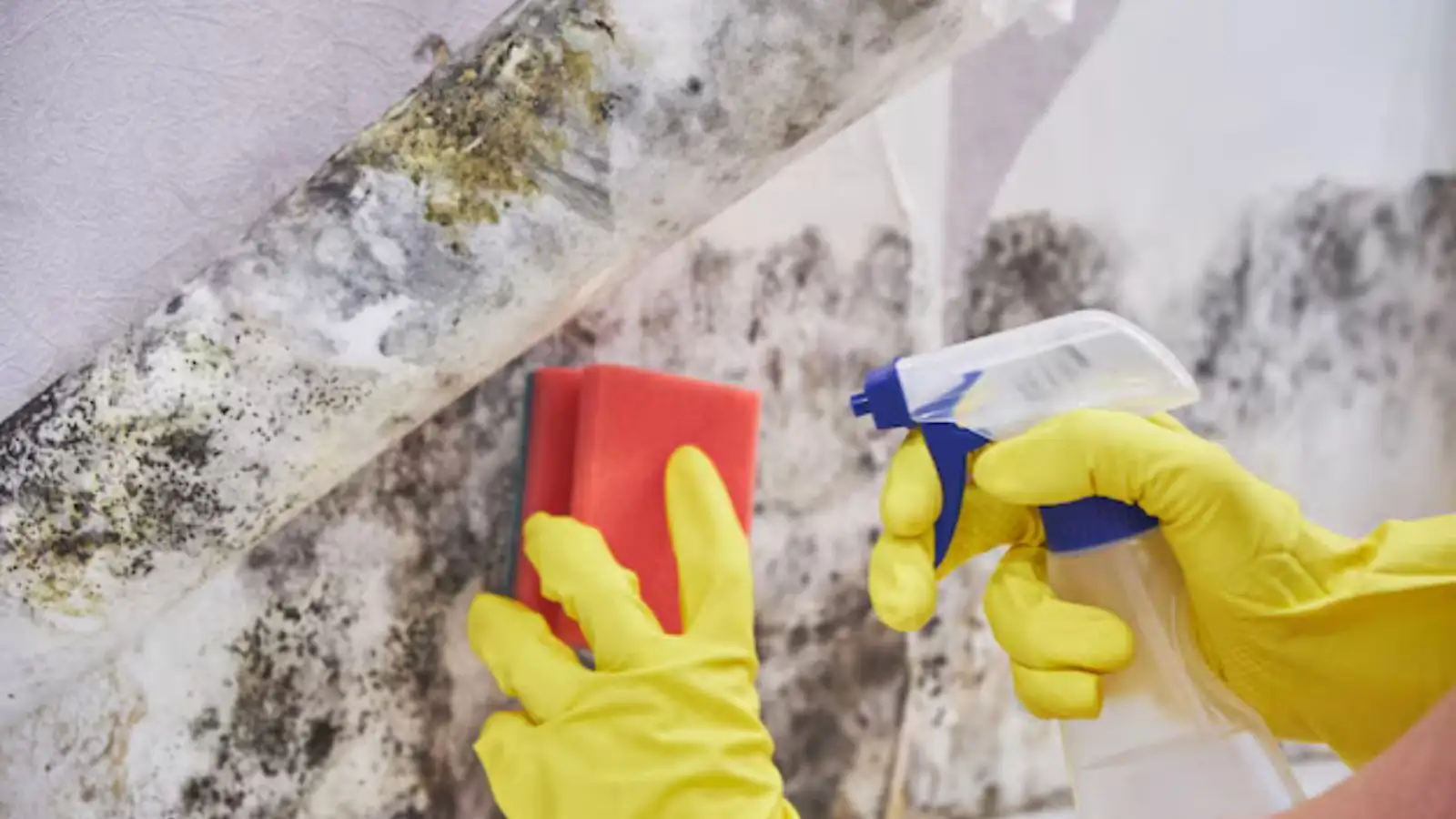
Few things alarm a homeowner like a black line creeping along shower grout. The internet is full of scary labels, and the word black mold gets thrown around for any dark spot. The honest truth is that most shower spotting starts small and can be handled with patience and the right habits.
This guide covers where growth starts in a shower, what is safe to clean yourself, when caulk or tile backing has to be replaced, and where the limits of home cleaning are.
Why dark spots are not always dangerous mold
Color does not tell you what a growth is. Soap scum, mineral deposits, dirt and several kinds of mold can all look dark in a damp corner. Calling a spot dangerous or harmless by its shade is a guess, and it is a guess we avoid making.
Only inspection and testing can say what is present, and health questions belong to a physician. What you can do is treat every persistent dark spot as a sign of moisture, then fix the moisture. That approach works whatever the spot turns out to be.
Where growth starts in a shower
Showers combine warm water, steam and many small gaps. Growth tends to start where water lingers and where material is soft enough to hold it.
- Grout lines, which are porous and hold water between tiles
- Caulk at the tub or floor joint, where flexing leaves tiny gaps
- Silicone seals around fixtures, frames and door tracks
- Corners and the bottom edge of the wall, where water pools
- The ceiling above the shower, where steam collects
- Shower curtains and liners that stay bunched and wet
Describe the damage to a live dispatcher and get a clear next step.
☎ Call (562) 271-5850Check the basics before you scrub
Start with a quick look, because what you find decides the plan. Press gently on the wall near the dark spot and note whether it is firm. Look at the caulk line for gaps, and check the ceiling and the wall on the other side for stains.
Then run the shower for a few minutes with the fan on and watch where water goes. If it pools at a corner, runs behind a loose edge or leaves the fan sounding weak, you have found a cause worth fixing before any cleaning starts.
Take dated photos of the spots now. A photo makes it easy to tell weeks later whether growth is shrinking, holding steady or spreading.
A safe way to clean a small spot
Surface cleaning is reasonable when the spot is small, sits on hard tile or sealed grout, and the wall behind it is firm. Keep the approach conservative and follow these steps.
- Run the fan and open a window before you begin
- Wear gloves, eye protection and a mask
- Scrub with mild soap and water and a stiff brush on grout, or use a cleaner labeled for the job and follow its label
- Never mix cleaning products, since some combinations give off harmful fumes
- Rinse well, then dry the area with a towel
- Run the fan afterward and check the spot over the next several weeks
If the spots return, spread, or the grout looks dark again quickly, the cause is moisture and not dirt. At that point more scrubbing is the wrong move.
When caulk and silicone must be replaced
Caulk that is cracked, peeling or stained all the way through cannot be cleaned back to health. Mold can root into the body of the bead, so the practical fix is to cut it out and replace it.
Dry the joint fully before you reseal it, since new caulk over damp material fails early. Choose a bathroom-rated sealant, follow its label for cure time and keep the shower out of use until it is ready.
Signs of a hidden leak behind the tile
Sometimes the dark spots are the visible tip of a bigger problem. Water that escapes through failed grout, a worn valve or a bad drain seal can soak the wall behind the tile, where you cannot see it.
- Loose or hollow-sounding tiles
- Grout that crumbles or stays wet long after a shower
- A soft or spongy spot when you press on the wall
- A stain, bubble or musty smell on the wall or ceiling next to the shower
- Water that appears in the room below
Soaked tile backing and drywall cannot be cleaned and have to come out. That is the job for mold remediation when growth is involved, with the repair to follow. Once the wall is dry, water damage repair covers the new backing, tile and sealing.
Ventilation habits that help
A working fan is the best defense a bathroom has. Run it for every shower and leave it on for a while after you step out. Squeegee the walls, leave the door open and let towels dry outside the room.
Tackle small repairs early. A thin gap in caulk or a cracked tile is easy to fix, and a slow leak that goes unnoticed can reach the framing. Moisture is the thread running through every shower mold story.
Honest limits of home cleaning
Cleaning can remove surface growth from hard, sealed materials. It cannot dry a wall, repair a leak or reach growth inside a cavity. It also cannot promise a spot will never return, since mold comes back when moisture does.
Stop and call a professional if mold keeps returning, covers a large area, sits in porous material like ceiling drywall or you suspect hidden growth. Our crews cover Downey and Santa Fe Springs as well as Pico Rivera, and scope and price are explained before work starts.
Pico Rivera note: a shower leak is not a flood claim
The city General Plan describes most of Pico Rivera as Flood Risk Zone X, with the rivers in Zone A. It also notes localized drainage problems in a few spots, and storm drains carry runoff to the Rio Hondo and San Gabriel channels.
A leaking shower valve has nothing to do with that. Homeowners policies generally do not cover flood but may cover other water damage, so describe your loss accurately to your insurer. For storm or flood questions, check the FEMA Flood Map Service Center for your own address.
Frequently asked questions
We cannot tell you that from a color, and we do not diagnose. Dark spots can be soap scum, minerals or several kinds of mold. Treat any persistent spot as a moisture sign, fix the moisture and ask a physician any health questions.
Ventilate, wear gloves, eye protection and a mask, and scrub small areas with mild soap and water or a label-directed cleaner. Never mix products. If the grout darkens again soon, the cause is moisture, so look for a leak or poor ventilation.
No. Sealing over growth traps it, and new caulk fails on damp material. Remove the old caulk, let the joint dry completely and then apply a bathroom-rated sealant according to its label.
Look for loose tiles, soft spots, stains or smells on the adjoining wall, and water in the room below. A moisture meter and thermal imaging camera can confirm what you suspect without tearing anything open first.
Usually not. A leak from plumbing is a different kind of loss than flood, and flood needs separate coverage. Check your policy, ask your insurer, take photos and make only temporary repairs until an adjuster has seen the damage.
Water on the floor right now? The dispatch line is open 24/7.
☎ Call (562) 271-5850